
Choosing the Right Brushes for Watercolour Landscapes
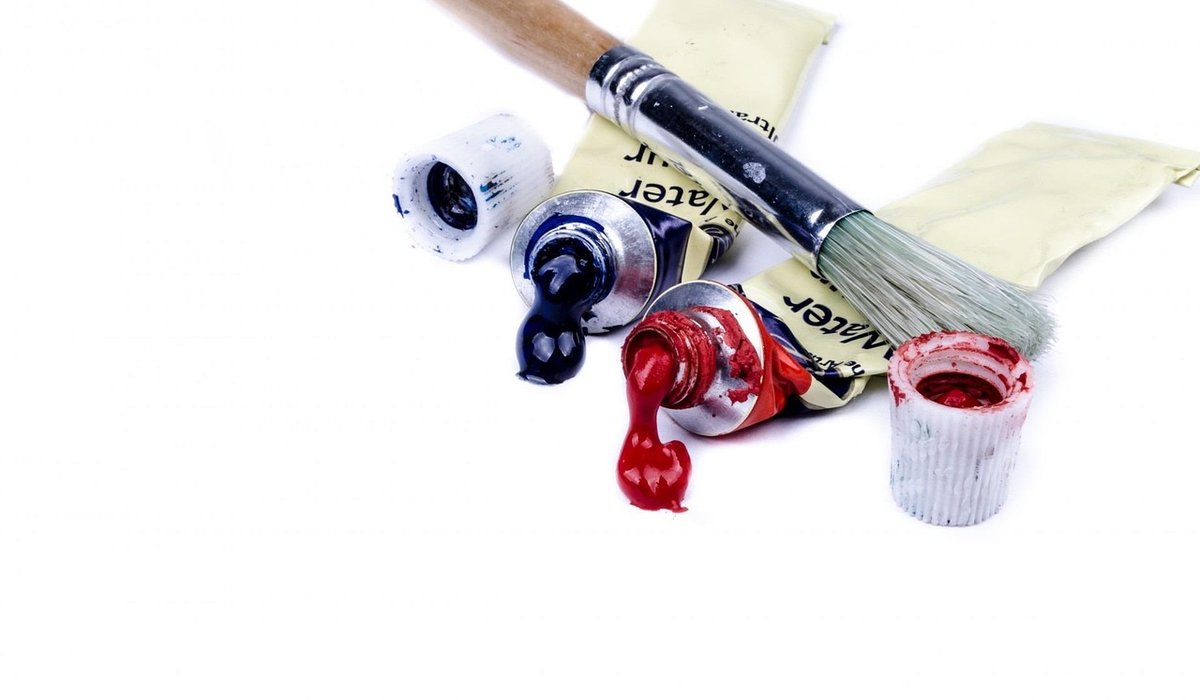
Watercolour landscapes are built on rhythm: a broad, wet sky, a few decisive tree shapes, then the scratch and flick of dry brush for a stone wall or hedgerow. The brush in your hand is not just a tool; it decides how much water arrives on the paper, how quickly you can cover a valley, and whether a branch ends in a taper or a blob. Choosing well makes the whole process calmer and more expressive.
Start with Fibres: What Holds Water and What Holds a Point
Brush fibres fall into three practical groups, and each has a job in landscape work. Natural squirrel hair is thirsty and soft. It releases water slowly, so it is perfect for even skies, misty distances and flooded fields. It has little snap, though, so it struggles to make a crisp edge. Sable — including kolinsky — has a springy belly and a fine point. It holds a surprising amount of water and returns to a sharp tip, which makes it a superb all-rounder for trees, hills and smaller washes. Synthetic fibres are stiffer and release water quickly. They are less forgiving for smooth gradients but excellent for dry brush, sharp edges and detail. Blended brushes mix natural softness with synthetic spring, often at a friendly price.
- Squirrel or synthetic squirrel: mops and quills for large, wet washes.
- Sable or synthetic sable: rounds for general work and fine points.
- Stiff synthetic: flats and fans for texture, scraping and dry brush.
Shapes for Skies and Big Washes
For a sky, you want a brush that can carry a puddle from one side of the paper to the other without running dry halfway. A mop or quill — around 1 inch across — is ideal. Load it fully, then drag it in long, overlapping strokes, tilting the board slightly so the wash flows downwards. A 1-inch flat or hake is useful for horizontal bands: distant hills, water lines and field edges. Keep the brush at a low angle and use the flat side, not the corner. For a graduated wash, work quickly from dark to light, adding clean water at the bottom. If the brush starts to skip, reload rather than scrubbing, which disturbs the paper and lifts the size.
Rounds, Riggers and Details
Once the big shapes are in, switch to rounds. A size 8 or 10 round with a good point is the landscape painter’s workhorse: it makes tree trunks, roof lines, fence posts and distant figures. A size 4 or 6 handles middle-distance foliage and reflections. For the finest marks — bare twigs, reeds, telegraph wires, grass stems — use a rigger. Its long, thin hairs hold a thin line of colour and release it evenly, so you can pull a branch with one steady movement. A size 0 or 1 round is useful for tiny accents, but a rigger is more forgiving because it does not dump a blob when you pause. Remember to hold detail brushes near the ferrule for control, and let the point do the work rather than pressing down.
Dry Brush Textures for Stone, Bark and Grass
Dry brush is where a stiff synthetic flat or fan earns its keep. Load the brush lightly, then drag it across a scrap of paper or a rag until the colour is almost dry. Hold it at a shallow angle — around 20 to 30 degrees — and pull it quickly over rough watercolour paper. The surface texture catches the pigment, leaving broken, grainy marks. Use this for stone walls, weathered timber, bark, stubble, shingle beaches and the rough edge of a hedgerow. A fan brush can flick grass and foliage, whilst an old flat can create parallel streaks for rain or fence rails. Work from light to dark and build in layers. If the mark looks too solid, you have too much water; wipe the brush and try again.
Building a Sensible Landscape Brush Kit
You do not need dozens of brushes. A practical set for traditional watercolour landscapes might include: a 1-inch squirrel mop or quill for washes; a 1-inch flat or hake for bands; a size 12, 8 and 4 round in a blend or sable-like synthetic; a rigger size 0 or 1; and a small fan or stiff flat for dry brush. That covers skies, hills, trees, buildings, water and texture. If you paint on location, choose short-handled brushes that fit a compact roll, and take a spare rigger — it is the one brush that is hard to improvise. Look after them by rinsing in cool water, reshaping the tip with your fingers, and drying them flat or handle-down. Never leave them standing in water, as the glue in the ferrule will soften and the hairs will splay. With a handful of well-chosen brushes, you can move from a soft, atmospheric wash to a crisp, scratchy stone wall without breaking your rhythm — and that is when landscape painting starts to feel truly creative.

4 Comments